Article
Factory Selection Is the Most Underrated Decision in Modular Development
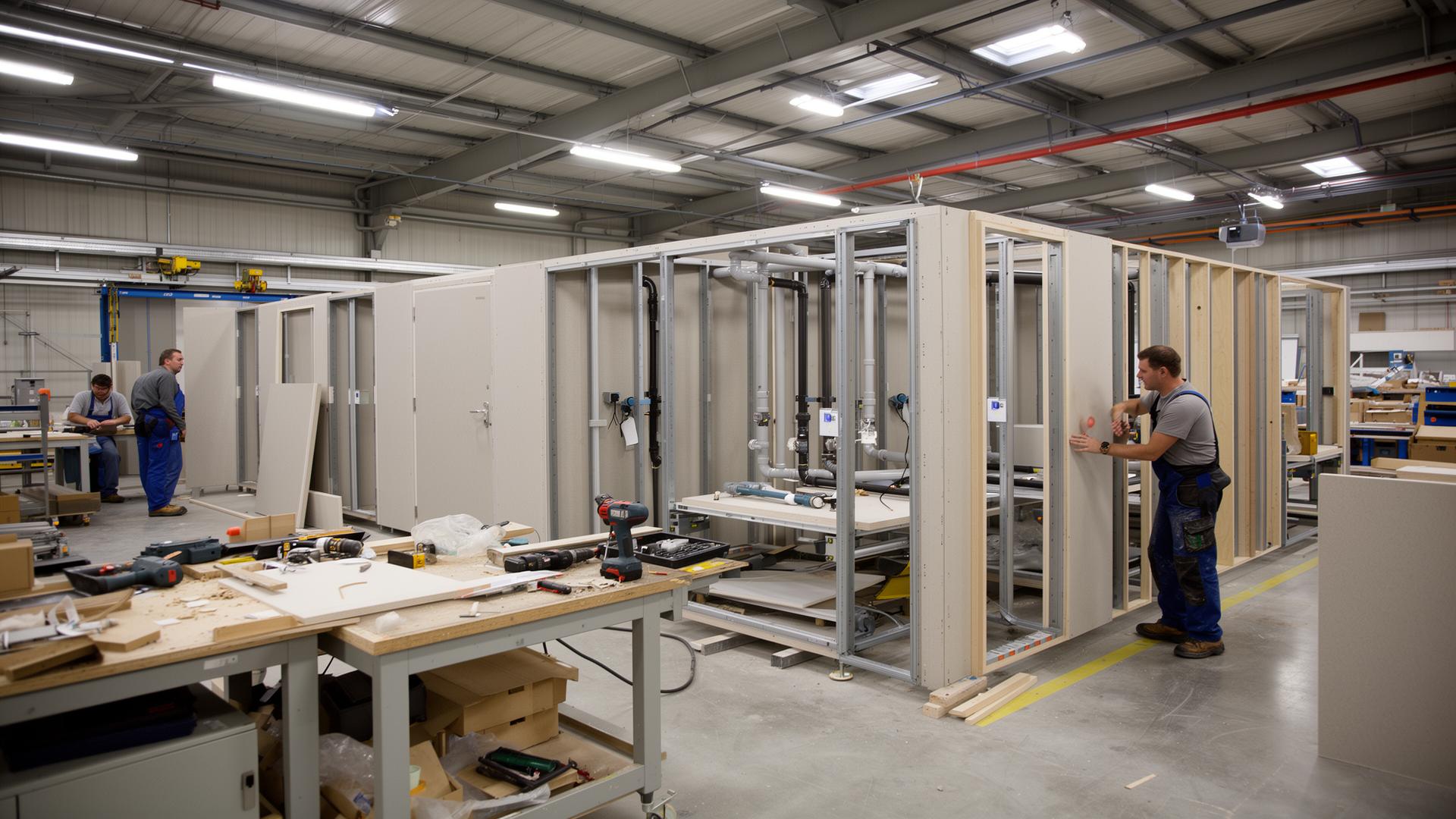
The factory is not a vendor. It is a partner with leverage over your timeline, draw schedule, HCD certification pathway, and structural integrity of every unit you deliver.
Most developers treat factory selection like a procurement exercise. Request bids, compare pricing, pick the lowest number. That approach fails more often than it succeeds.
Financial Health
Factory closures are a real project risk. If your factory closes mid-project, you lose modules in production you have already drawn on. The deposits are typically unrecoverable. Request audited financials for the last two fiscal years. Get lender references. Confirm your deposit will be held in escrow, not commingled with operating funds.
A factory that appears financially stable may be carrying significant debt from prior project disputes. Ask specifically about pending litigation and insurance claims. These are leading indicators of financial stress that audited financials alone may not reveal.
HCD Certification
For California projects, the factory must hold HCD certification for your specific module type. A factory certified for single-family residential is not certified for three-story multifamily. Get the actual certificate, not a summary. Certification amendments can add 60 to 120 days.
Verify the certification expiration date and any pending amendments. An amendment filed during your production window can delay HCD inspections and hold up your insignia. Ask the factory for their HCD inspection pass rate over the last 12 months.
> A factory at 90% capacity when you sign will not produce your modules on schedule.
Production and Transport
Ask for current backlog in weeks, on-time delivery rate for the last 12 months, and whether your Purchase Agreement includes a guaranteed production start date. Best in class is 85% or higher on-time delivery.
Modules are 14 feet wide and up to 60 feet long. Transport costs run $3 to $8 per loaded mile per module. Confirm the actual haul route including bridge clearances and weight-restricted roads. A factory 200 miles closer can save $40,000 to $80,000 on a 20 unit project. That savings often outweighs a 5% to 8% difference in per-unit factory pricing.
The Reference That Matters
Ask for three references: a developer whose project closed on time, one whose project ran late, and a GC who has buttoned up more than one of their projects. The late-project reference is the most valuable. How a factory responds to problems tells you more than how they perform when everything goes right.
Ask the GC reference specifically about drawing accuracy, field dimensions matching factory specs, and responsiveness when issues surface during button-up. The factory-GC relationship is where most coordination value is created or destroyed.