Article
The Scope Gap: Why 60% of Modular Projects Run Over Budget
Sixty percent of modular construction projects experience material cost overruns. The culprit is not the factory, the GC, or the permit office. It is the gap between them.
> The scope gap is the undefined zone of work between what the factory delivers and what the site needs to receive it. Nobody owns it in a standard contract.
When it surfaces mid-project, it costs 10% to 25% of total budget and 4 to 12 weeks of schedule.
Where the Gaps Live
Factory to transport. Who is responsible for crane pick preparation, module bracing for transit, and load securement. The factory assumes modules leave their yard and responsibility ends. The transport carrier assumes modules are ready for pickup. Neither party addresses the preparation work between production completion and loading.
Transport to site. Has anyone confirmed the delivery route accommodates 14 to 16 foot module width, and who pays for escort vehicles and oversize load permits. Route restrictions can force longer haul distances, increasing costs by $10,000 to $30,000.
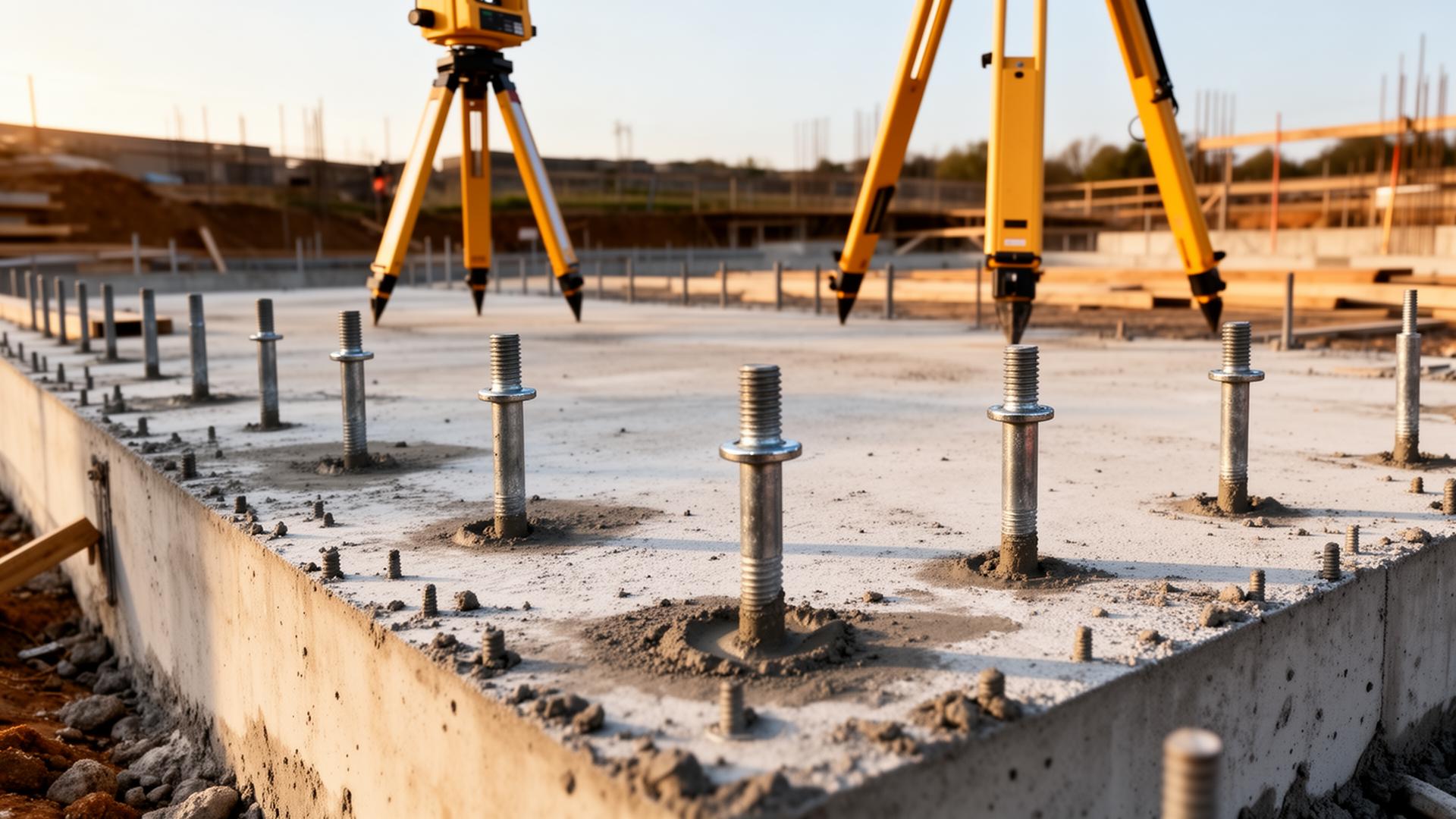
Site to foundation. Are anchor bolt locations certified to match factory drawings before the pour. Who surveys the foundation after the pour to confirm tolerances. Module to MEP. Who is licensed to make utility connections in the jurisdiction, and does the factory or the GC supply the connection hardware.
Most project contracts address none of these explicitly. The factory purchase agreement defines what leaves the factory. The GC contract defines what the GC builds on site. The space between these two documents is where budgets break.
The Real Cost
On a $4,000,000 project, an unmitigated scope gap typically costs $400,000 to $1,000,000. The costs come from multiple sources: emergency subcontractor mobilization at premium rates, crane reschedules that carry $5,000 to $15,000 in rebooking fees, field rework of factory-installed systems, and extended general conditions running $8,000 to $15,000 per week.
The schedule impact is equally damaging. Each scope gap item that surfaces during construction requires a decision cycle. Identify the gap, determine responsibility, negotiate cost, procure materials, schedule the work. Each cycle takes 1 to 3 weeks. Three or four gaps surfacing sequentially can add 2 to 3 months to a project.
The relationship damage is the hidden cost. Disputes over who should have covered an undefined scope item create adversarial dynamics between the developer, factory, and GC. These disputes consume management time and erode the collaborative relationship that modular projects require.
Five Steps to Close It
Define exactly where factory scope ends with written sign-off from the factory project manager. Define site-ready conditions in writing with your GC, including specific tolerances for foundation, utilities, and access. Map everything between the two boundary definitions, line by line. Assign a responsible party, cost basis, and coordination deadline to every gap item. Write it into both contracts as an exhibit, cross-referenced between the factory purchase agreement and the GC contract.
The Investment
A scope gap analysis costs $8,000 to $25,000 depending on project complexity. On a $4,000,000 project, that is 0.5% of budget. An unmitigated scope gap costs $400,000 to $1,000,000.
Close the gap before you break ground. The analysis pays for itself on every project, without exception.